
By Nico Rosenberg
From Cleaning Studio Bathrooms to Recording Paul McCartney: A Conversation with LA Engineer Fernando Lodeiro
On earning your seat in the room, chasing your own sound and the impostor syndrome that never quite goes away.
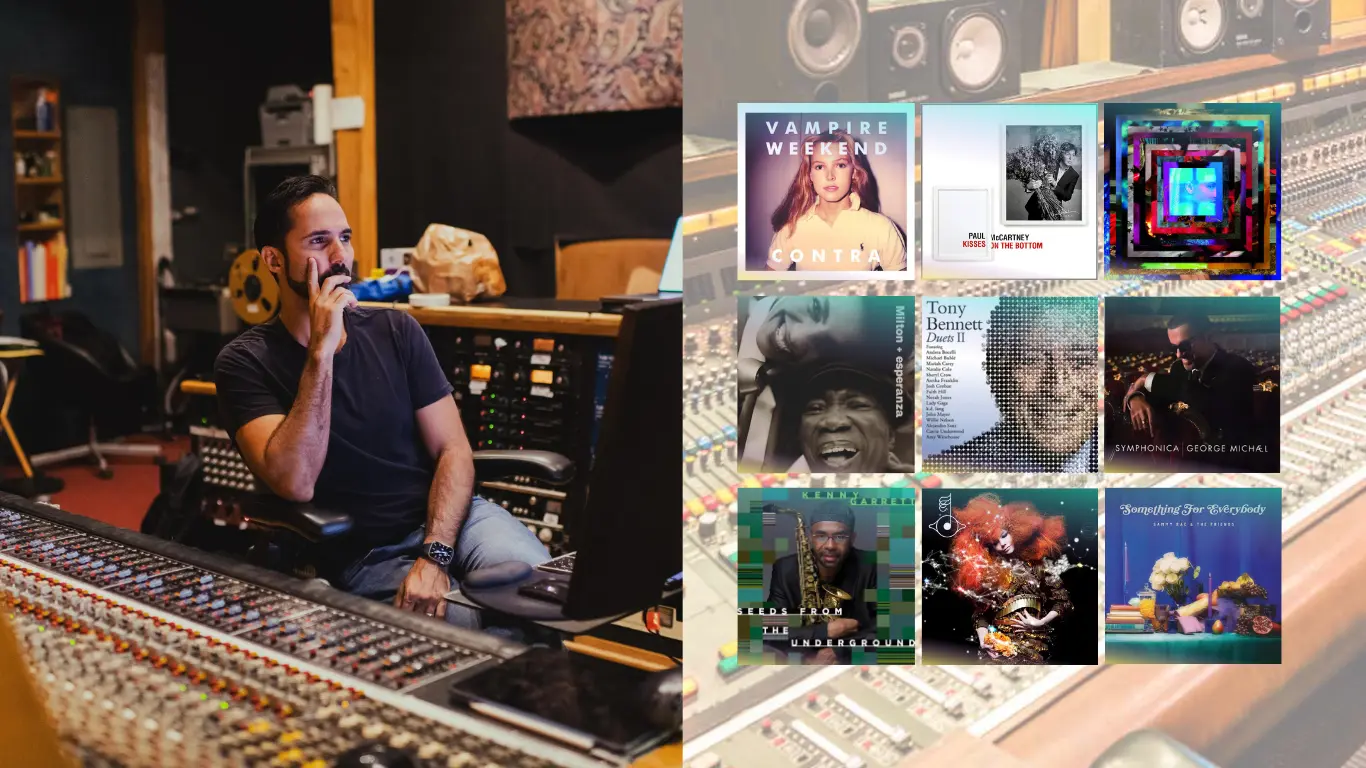
Fernando Lodeiro’s career illustrates the value of patience. A Venezuelan who came up through Berklee and then the last generation of New York’s big commercial studios, Fernando spent three months cleaning bathrooms and making free coffee just to get a foot inside Avatar Studios. From there he worked his way up from runner to staff engineer, picking up credits along the way with Regina Spektor, Tony Bennett, Vampire Weekend, Paul McCartney, James Taylor, Lauryn Hill, George Michael, Sammy Rae, Björk, Lou Reed, Lady Gaga and Prince among others, before becoming the main engineer Esperanza Spalding has trusted with a medley of records.
Fifteen years in New York eventually gave way to Los Angeles, where he’s lived for the past four years with his wife and son. We sat down with Fernando to talk about the sessions that shaped him, the advice he’d give his younger self and what he’s found in Épica Audio’s Resonant Reverb. By the way, we had this conversation in Spanish.
From Caracas to Avatar Studios
Fernando’s path to the console started with a guitar. After studying in Mexico, he moved to the US for Berklee College of Music in Boston, where he played in bands and made regular trips to New York for gigs—enough to convince him to move for good, landing in New York in 2007.
He set his sights on Avatar Studios, one of the last big rooms still built around live musicians. Getting in the door meant starting at the very bottom. “I started out cleaning bathrooms and making coffee, for free, for three months,” he says—a rite of passage he’s heard echoed by other engineers of his generation, paying dues before anyone let you near a session. Nevertheless, it paid off: he worked his way up to staff engineer with an early break assisting on Vampire Weekend’s Contra.
The move to Los Angeles, four years ago, came from a different place. New York had gotten heavier and the city’s intensity was turning him into someone he didn’t want to be. “It became more about a lifestyle change than anything else,” he says—slowing down, building something different for his family.
The sessions that left their mark: Paul McCartney and Esperanza Spalding
Fernando’s first time in a room with McCartney came through a Buddy Holly tribute compilation, Rave On Buddy Holly, on which McCartney appeared as a guest. He was assisting engineer Roy Hendrickson under producer David Kahne—a session he treated as anything but routine. “I got there almost six hours early to have everything set up and perfect before they arrived,” he says. He later worked McCartney’s full album Kisses on the Bottom, one of the last things he did before leaving Avatar. What stayed with him wasn’t just the credit: McCartney introduced himself personally to everyone in the room—“Hi, I’m Paul”—completely relaxed, still visibly in love with the work after everything he’d already accomplished.
Esperanza Spalding’s records came to define a different chapter. He started on her album Radio Music Society, assisting engineer Joe Ferla, and was recommended to finish the record when Ferla hit a scheduling conflict. A trial session decided it, and he’s recorded and mixed every one of her albums since, save one. Working at that level early on came with an adjustment: “There’s a kind of impostor syndrome when you start working with bigger clients—I’m not sure it ever fully goes away,” he admits.
What helped was realizing that whoever’s in the room—McCartney, Prince, Esperanza—everyone earned their seat, and everyone’s there for the same reason: to serve the artist’s vision as well as they possibly can. That shared purpose, he says, is what dissolves the ego and makes the best sessions feel like a team effort.
Advice to his younger self
At 40 years old, Fernando doesn’t hesitate when asked what he’d tell the sixteen-year-old version of himself. “Work with as many people as you can,” he says. “Every project teaches you something, and it introduces you to people you will continue working with throughout your career. You never know what’s going to come of it.”
His second piece of advice cuts the other way: “Don’t just follow what school tells you. Find your own sound and experiment, because more often than not, what ends up sounding best is exactly the thing you get to by breaking the rules you were taught.”
Wise words from Mr. Lodeiro.
On Épica Audio’s Resonant Reverb
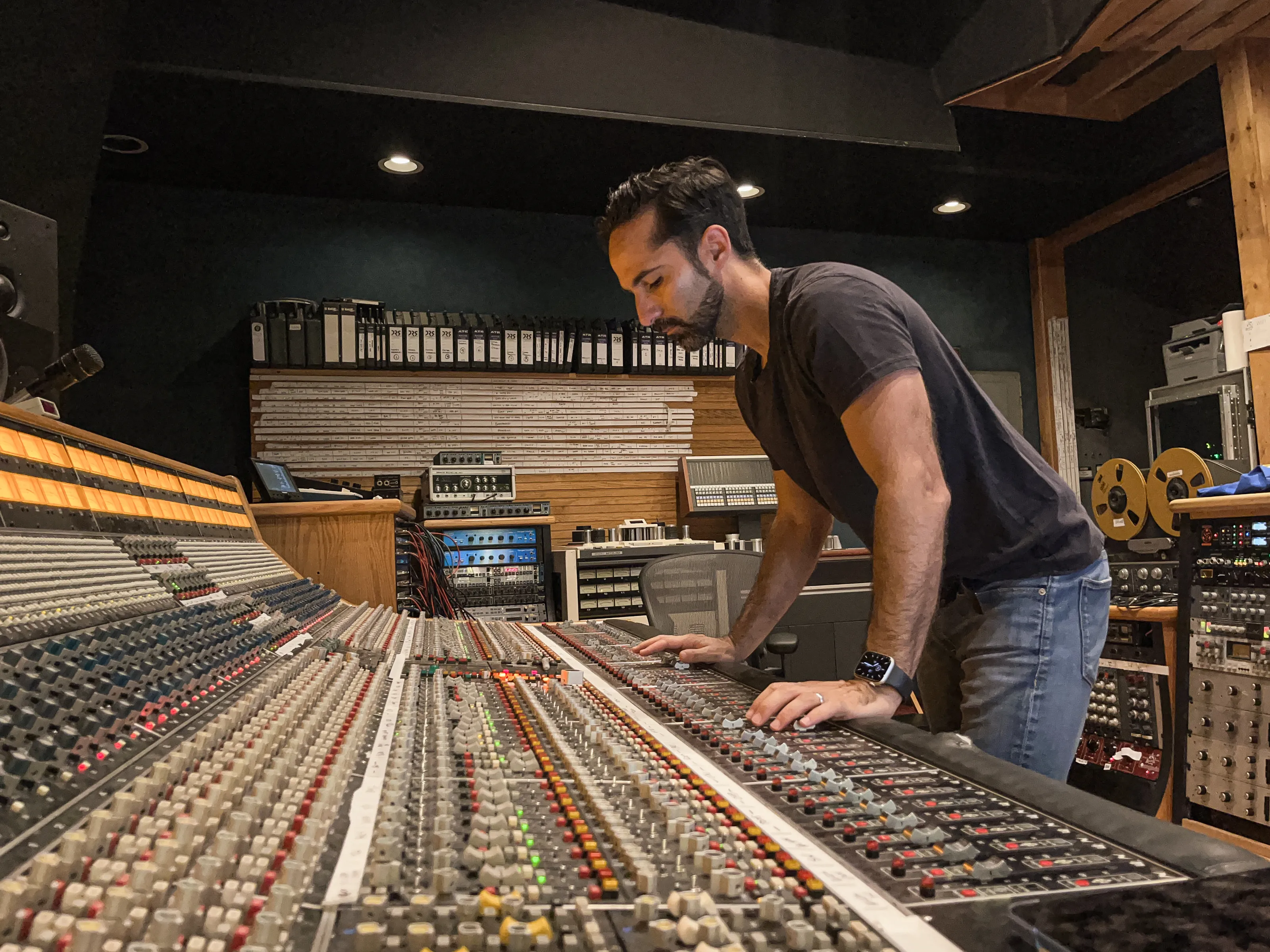
Fernando has been one of the engineers helping shape Resonant Reverb from the inside, building presets and feeding back early impressions. What won him over was how the reverb combined a workflow that previously required multiple plugins.
“On something sparser, like jazz, you’ve got more room for a reverb to just sit and feel natural,” he says. “But once you’re past a hundred tracks, space is limited, and I always end up filtering, EQing, compressing, or distorting the reverb to make it fit without eating up room.” That’s exactly the workflow Resonant Reverb builds in—something he used to stitch together with separate processes, now handled inside one window. Having a compressor and a stereo imager built into the reverb itself, he says, was something he’d never have thought to reach for on his own.
Final thoughts
Fernando Lodeiro’s career is a reminder that the biggest breaks tend to follow the smallest, least glamorous ones. What carries through every chapter, from Avatar Studios to his home setup in LA, is the same instinct: show up prepared, earn the room, and stay curious enough to keep breaking your own rules.
Huge thanks to Fernando for the conversation, the studio stories, and for putting Resonant Reverb through its paces.
Stay tuned for more interviews and stories straight from the studio.